 icon to start playing the desired text.
 and
and
 icons, where the

 icon and click on it to start using the chatbot. Note that you need to wait for the website to finish loading.
My Australia Awards Story: Finding purpose and making an impact
What are your most memorable experiences living and studying in Australia?
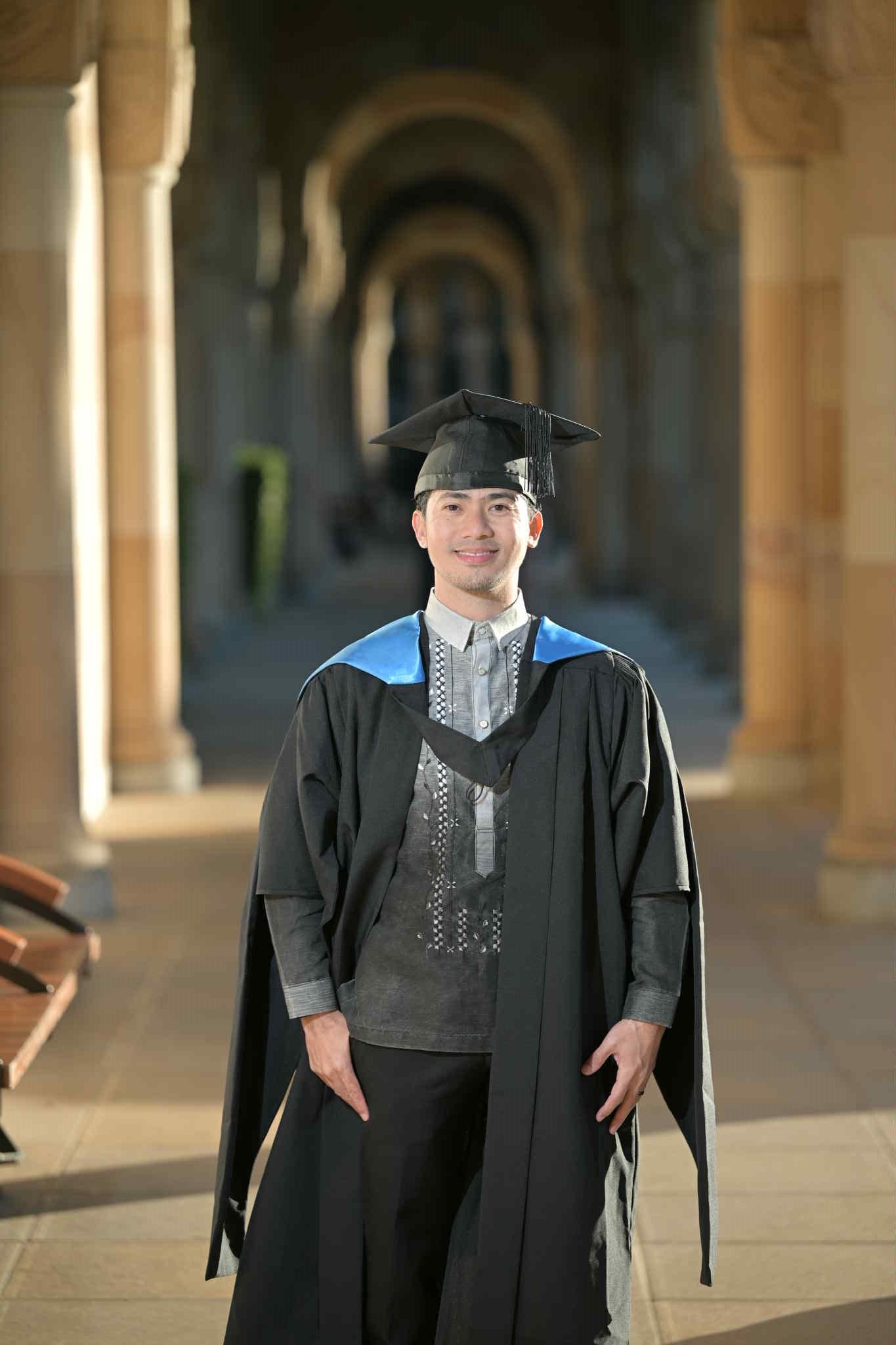
Living and studying in Australia has been one of the most memorable chapters of my life. At the University of Queensland, I found myself in classrooms where discussions about peace, conflict, and governance came alive through diverse perspectives. I still remember the nervous excitement of presenting a mediation project, an academic exercise that suddenly felt like something I could bring back home to help communities. That experience gave me the confidence that my studies were not only theoretical but also practical and impactful.
Outside the university, volunteering became a source of joy and meaning. Whether helping during community events, supporting animal welfare programs, or joining local cultural celebrations, I felt the warmth of connection and belonging. These small acts of service helped me see how kindness and collaboration could bridge cultural gaps and create shared memories.
Life in Australia was also enriched by its natural beauty and everyday adventures. From quiet moments along the Brisbane River to road trips with friends to the Gold Coast and Cairns, I discovered how nature and companionship could provide balance to academic life. Sharing meals, laughter, and long conversations after study sessions became simple but powerful reminders of home.
Altogether, my time in Australia was a journey of learning, service, and discovery, an experience that deepened not only my knowledge but also my sense of purpose.
What makes Australia a good place for postgraduate education?
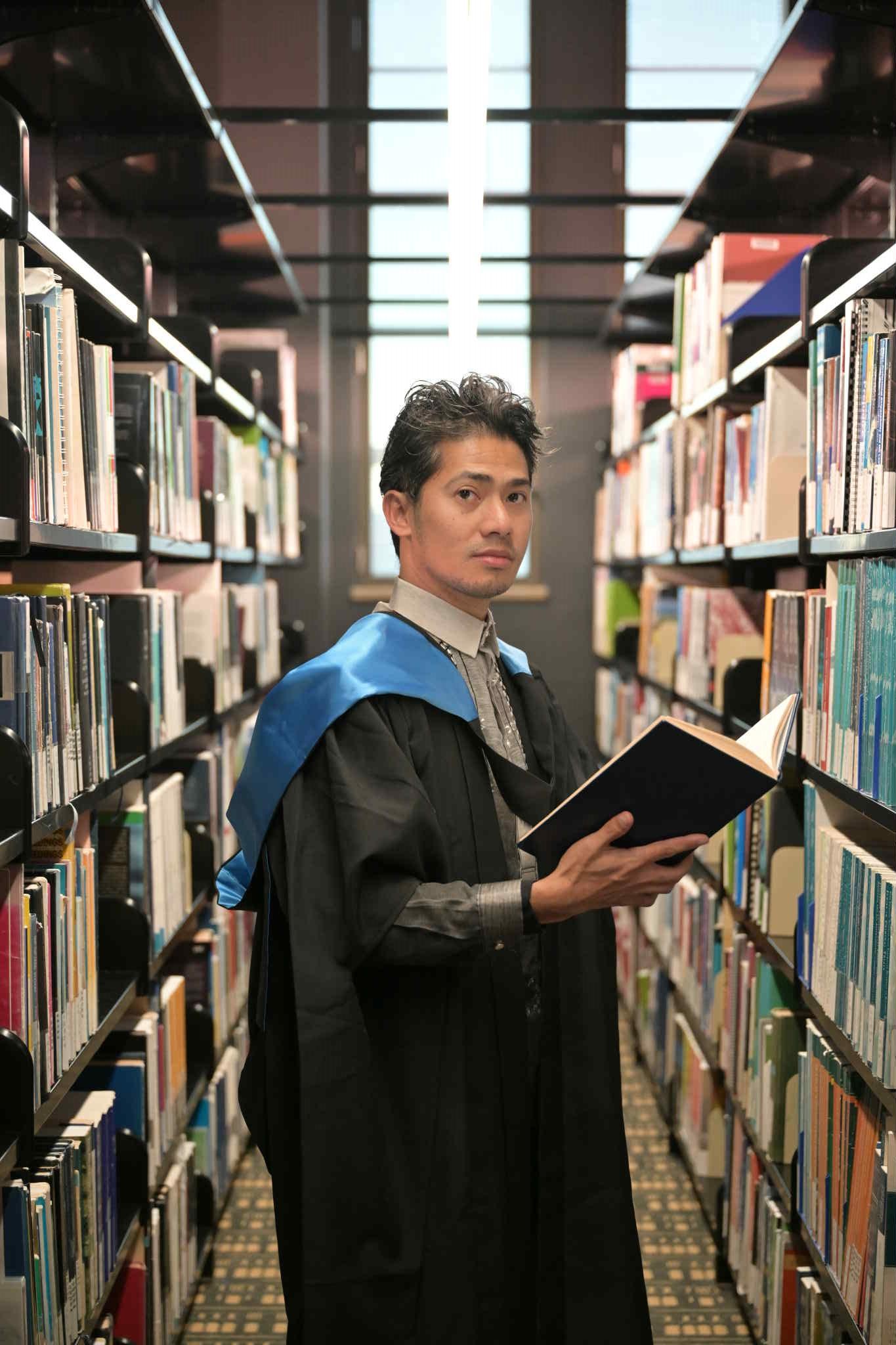
Australia is an excellent choice for postgraduate study because it offers world-class universities, high academic standards, and research programs that balance theory with practical application. This approach equips students not only with advanced knowledge but also with skills to address real-world challenges.
Its multicultural environment is another strength. Postgraduate students learn alongside peers from across the globe, enriching discussions with diverse perspectives and fostering critical thinking, collaboration, and cross-cultural understanding
Australia is also known for being safe, welcoming, and student-friendly. Cities like Brisbane, Melbourne, and Sydney provide vibrant communities, cultural activities, and opportunities for part-time work or volunteering, creating a well-rounded experience.
Finally, Australia's strong focus on innovation, sustainability, and global engagement allows postgraduate students to connect their studies with pressing international issues, making their education both personally fulfilling and socially relevant.
As Filipino scholar, what are you most proud of?
As a Filipino scholar, I am most proud of being able to carry the hopes of my community with me while pursuing higher education in Australia. My journey is not only a personal achievement but also a reflection of the support and sacrifices of my family, mentors, and colleagues back home. Knowing that my studies can contribute to strengthening local governance, peacebuilding, and community development in the Philippines gives me a deep sense of purpose.
I take pride in representing the resilience, talent, and compassion of the Filipino people in an international academic environment. Every time I share perspectives rooted in our local context, I feel that I am giving voice to communities that are often unheard. I am also proud of balancing academic demands with volunteerism and cultural engagement, proving that Filipinos can excel globally while remaining grounded in service and bayanihan values.
Ultimately, what makes me most proud is the opportunity to transform this scholarship into meaningful change for the Philippines, to bring back knowledge, skills, and values that can inspire others and help build stronger, more inclusive communities.
Give one word to describe your Australia Awards journey.
Life-changing!
Empowered by your Australian education, how do you plan to make a difference in your field, community, or organisation in the Philippines?
My postgraduate education in Australia has given me both advanced knowledge and practical tools to support inclusive governance, peacebuilding, and community development. Empowered by this experience, I plan to use what I have learned to strengthen programs within the Department of the Interior and Local Government (DILG) and extend their impact to the communities we serve.
Within the DILG, I aim to promote evidence-based policymaking and integrate participatory evaluation methods, such as the Most Significant Change (MSC) approach, into capacity development initiatives. This will ensure that programs are not only measured by numbers but also by the real transformations they bring to people’s lives. I also plan to support the mainstreaming of conflict sensitivity, gender inclusivity, and Indigenous perspectives into local planning processes, aligning grassroots realities with national goals.
For the wider community, I envision championing stronger platforms for citizen engagement and volunteerism. By sharing lessons from Australia on community empowerment and service-oriented leadership, I hope to inspire local leaders and youth to take an active role in governance and peacebuilding.
Ultimately, my goal is to ensure that the benefits of my Australian education are not confined to personal growth but are translated into meaningful reforms and initiatives that uplift local governments and strengthen communities across the Philippines.
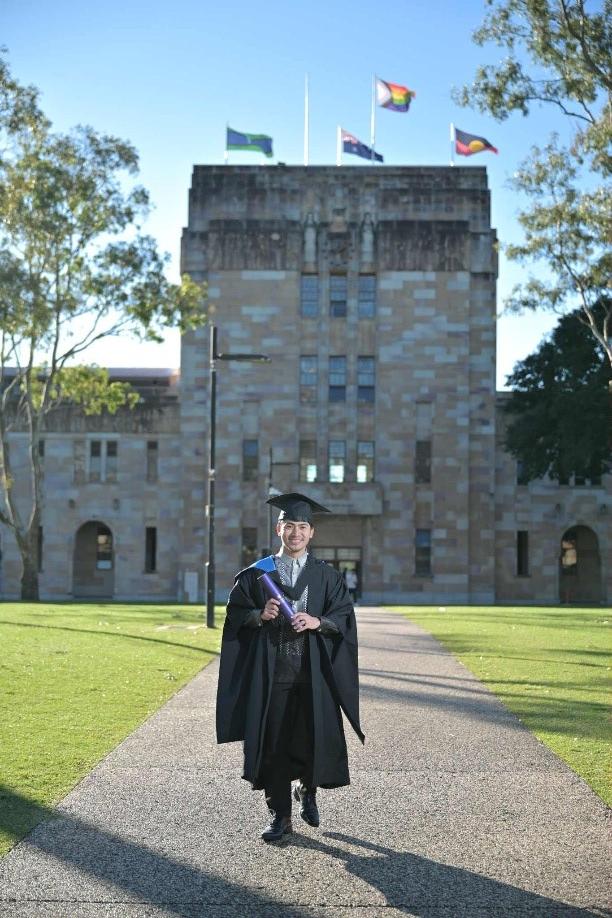
Rene Ato completed his Master of Peace and Conflict Studies from the University of Queensland in 2025. He is currently an assistant division chief at the Department of the Interior and Local Government.